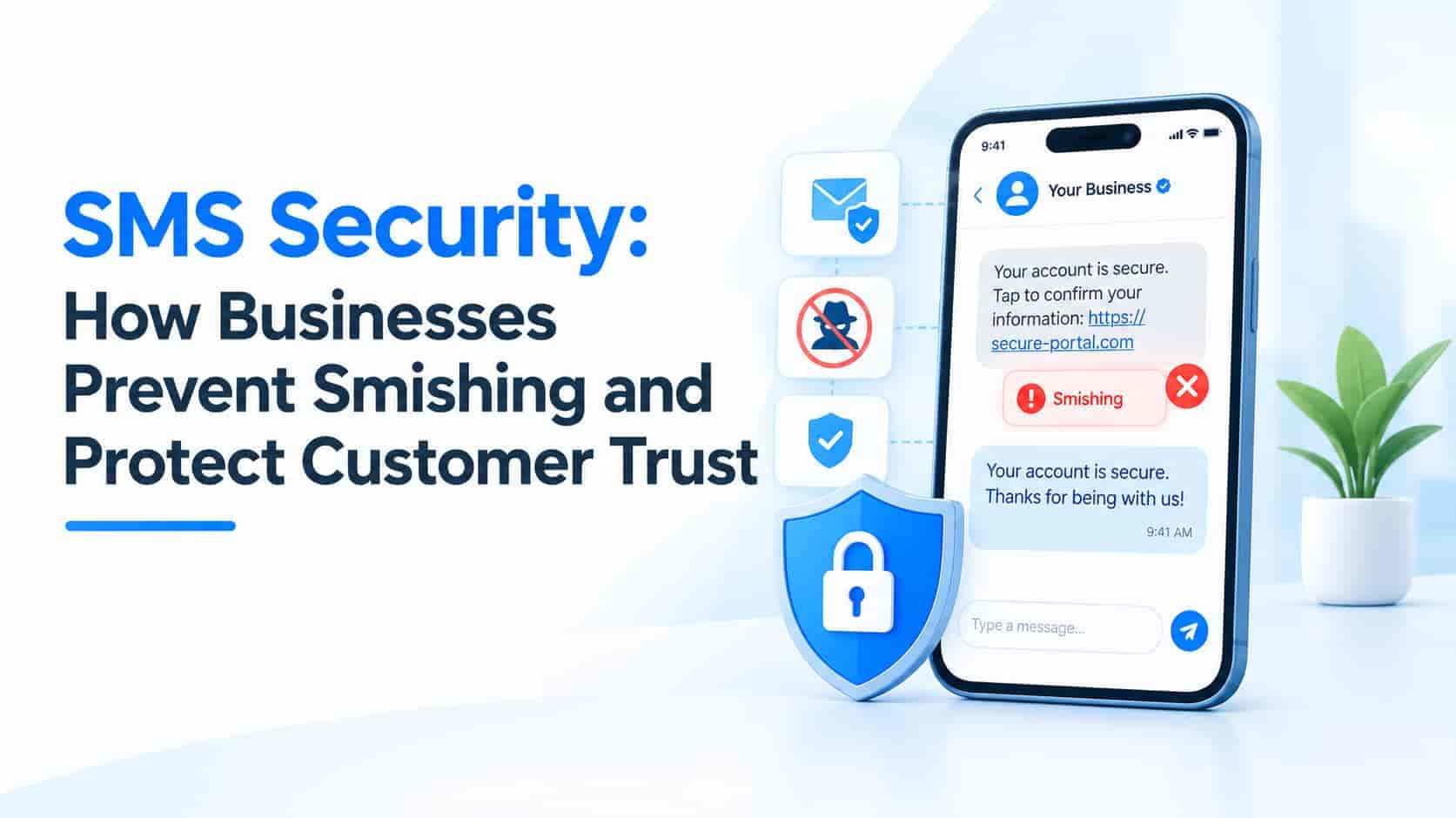
Smishing, which is phishing carried out through SMS, is a growing problem worldwide. Fraudsters imitate banks, couriers and government bodies to trick people into clicking links or sharing codes. Every business that sends text messages has a responsibility to make its communications easy to trust and hard to imitate. This guide explains how smishing works, why legitimate senders should care and what practical steps protect both your customers and your brand.
How Smishing Works
A typical scam message creates urgency and fear. It might claim that a parcel is being held until a fee is paid, that a bank account has been suspended or that a fine must be settled immediately. It includes a link to a convincing fake page that collects passwords, card details or one-time codes. Attackers may spoof sender names or use ordinary mobile numbers, and they often send messages in large volumes, knowing that even a tiny percentage of recipients who respond can produce a profit.
Why Legitimate Senders Should Care
Scam messages damage trust in the whole channel. Customers who receive fraudulent texts begin to doubt all messages with links, including genuine ones from your company. If your brand is impersonated, you may face increased support contacts, complaints and reputational harm even though you did nothing wrong. Regulators also expect businesses to follow responsible messaging practices, so strong security is part of both good customer care and compliance.
Use a Registered Sender ID
A registered, consistent sender name helps customers recognize your messages and supports regulatory controls that limit unauthorized use of brand names in the UAE. When people always see the same recognizable sender on legitimate communications, they become better at noticing impostors. Avoid changing sender names frequently, and make sure the sender used for transactional messages is distinct and stable.
Use Clear and Trustworthy Links
Links are the main tool of smishing, so how you present them matters. Prefer your own branded short domain over generic public link shorteners that scammers also use, and make sure destination pages are secured with HTTPS and look consistent with your main website. In sensitive messages, such as those about account changes or payments, consider avoiding links entirely and instead direct customers to open your official app or type your website address themselves. This removes the main route an attacker can imitate.
Never Ask for Sensitive Information
Make it a clear and visible rule that your business will never ask customers for passwords, full card numbers or PINs by SMS or phone. Include a short reminder not to share the code in every one-time password message. Train your support and sales teams to follow the same rule, because inconsistent behavior by staff makes it harder for customers to recognize fraud. Every time a genuine message breaks the rule, it teaches people to accept requests that fraudsters will later copy.
Write Messages That Look Official
Consistency is a powerful security feature. Include your brand name and a relevant reference, such as an order or invoice number, so that customers can quickly confirm the message relates to something they did. Avoid panic-inducing language and artificial deadlines, which are classic scam tactics, and keep the tone and format similar across your messages. When customers know what a real message from you looks like, deviations stand out.
Secure the Sending Process
Your own systems can be targeted too. Protect API keys and rotate them periodically, restrict who can send messages from your account and enable multi-factor authentication on your messaging platform. Rate-limit endpoints that trigger one-time passwords or other messages to prevent pumping fraud, where attackers force your system to send large volumes of messages to numbers they control in order to inflate costs. Monitor for unusual spikes in volume, new destinations or sending outside normal hours, and set alerts so that problems are noticed quickly.
Educate Your Customers
Customers are your best line of defense when they know what to expect. Publish a short guide on your website explaining which sender names you use, which links are official and what you will never ask for. Remind customers in emails, app notifications and receipts, and offer a simple way to report suspicious messages. A calm, clear explanation is more effective than dramatic warnings, and it demonstrates that you take their safety seriously.
If Your Brand Is Being Impersonated
Act quickly and keep records. Collect screenshots, sender numbers and links used in the fraudulent messages, then report them to your SMS provider and your telecom operator, as well as to the relevant UAE authorities, such as the telecom regulator or the police cybercrime channels. Ask hosting providers and domain registrars to take down fake pages, and warn customers through your official channels so they know what to look out for. Prompt, transparent communication helps limit harm and protects your reputation.
Conclusion
SMS security is a shared effort between businesses, providers and customers. Use registered sender IDs, consistent and trusted links, secure systems and clear communication guidelines. Educate your audience and respond quickly if you are impersonated. These habits protect your customers from fraud and protect the credibility of a channel your business depends on. In a world where scams grow more convincing every year, being visibly and consistently trustworthy is one of the strongest competitive advantages a company can build.