Publishing blog posts at random rarely builds traffic. Content that ranks and converts follows a plan: it targets real searches, demonstrates genuine expertise and guides readers toward a sensible next step. For Dubai businesses competing in crowded sectors, a topic cluster approach is one of the most reliable ways to achieve this. This guide explains how to build a strategy that connects your audience, your search demand and your business goals.
Start With Audience and Goals
Begin by defining exactly who you want to reach. Decision-makers at local companies, expatriates relocating to the city, residents comparing services and tourists planning visits all search differently and need different information. Next, decide what you want content to achieve, whether that is leads, bookings, newsletter sign-ups or simply a reputation as a trusted authority. Write down the questions customers ask before buying from you, because these are the seeds of your best content.
Understand the Buyer Journey
People rarely buy the first time they encounter a business. In the awareness stage, they have just noticed a problem and are looking for educational guides and explanations. In the consideration stage, they are comparing options and want checklists, comparisons and case studies. In the decision stage, they are ready to act and need pricing information, frequently asked questions, demonstrations and testimonials.
Many businesses publish only awareness content and wonder why readers do not convert. A balanced strategy covers all three stages, with clear links that carry readers from one to the next. A guide that explains a problem should point toward a comparison of solutions, which in turn should lead to a page where the reader can take action.
Build Topic Clusters
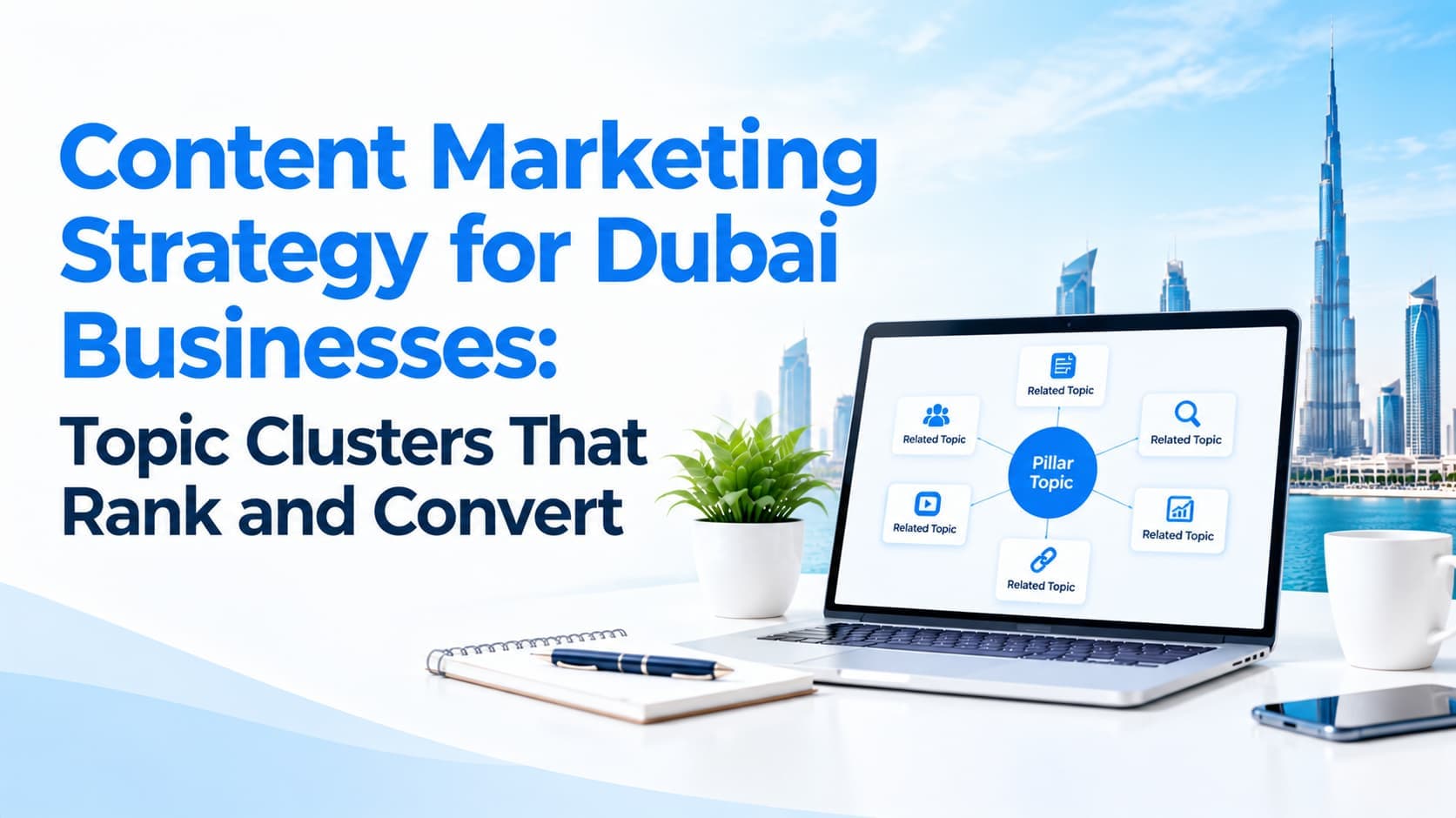
A topic cluster consists of one comprehensive pillar page on a broad subject, supported by a set of detailed articles on related subtopics. Each supporting article links back to the pillar and to its siblings, creating a network of connected content. For example, a pillar on SMS marketing in Dubai could be supported by articles on sender ID registration, message timing, customer segmentation and campaign analytics.
This structure serves two purposes. It helps visitors find the next piece of information they need without leaving your site, and it signals to search engines that you cover the subject in depth rather than superficially. Over time, clusters tend to strengthen each other, as the authority earned by one article lifts the rest.
Create Content People Want to Cite
Content that earns attention usually contains something readers cannot find everywhere else. That might be original insight from your own experience, anonymized data from your customers, a practical example or a clear explanation of a regulation that confuses most people. Answer the main question near the beginning of each section so that readers and search engines can find the answer quickly, then add depth for those who want it.
Accuracy matters just as much. Regulations, pricing and platform features change, and outdated advice damages credibility. Show real authorship with names, credentials and contact details, and revisit important articles regularly to keep them current.
Consider Language and Culture
Dubai audiences are diverse, and your content should reflect that. Decide which languages to publish in, and adapt your tone and examples rather than simply translating. Referencing local context makes content more relevant, whether that means business setup rules, the importance of Ramadan to seasonal planning or the mobile-first habits of UAE consumers. Content that feels written for this specific market earns more trust than content that could have been written for anywhere.
Plan a Realistic Calendar
Consistency beats occasional bursts of activity. Choose a publishing frequency that your team can sustain, such as one or two high-quality articles per week, and organize themes around business cycles and local events. Leave time in the calendar for updating older posts, because refreshing an article that already has some visibility often delivers faster gains than writing a new one from scratch.
Distribute and Repurpose
Publishing is only half the job. Share new articles through email newsletters, professional networks like LinkedIn and relevant online communities. Turn long guides into shorter social posts, checklists, infographics and videos so that one piece of research reaches people in several formats. For customers who have opted in, SMS or WhatsApp can occasionally alert them to genuinely useful content, provided you use these channels sparingly and respectfully.
Measure and Improve
Track organic traffic, search rankings, time spent on pages, leads generated and the role content plays in eventual sales. Review performance quarterly. Double down on the topics and formats that work, merge or improve underperforming pages, and retire content that no longer serves a purpose. A content library is a living asset that needs maintenance, and the businesses that treat it that way see compounding returns.
Conclusion
A strong content strategy links audience needs, search demand and business goals. Organize topics into clusters, cover every stage of the buyer journey, publish consistently and keep your material accurate and current. Over time your website becomes a trusted resource that attracts the right visitors and nurtures them toward action. In a competitive market like Dubai, that steady, evidence-based approach is far more effective than chasing trends or publishing without a plan.